
? Do you feel like your drives and long shots fall short even when your swing feels smooth and controlled?
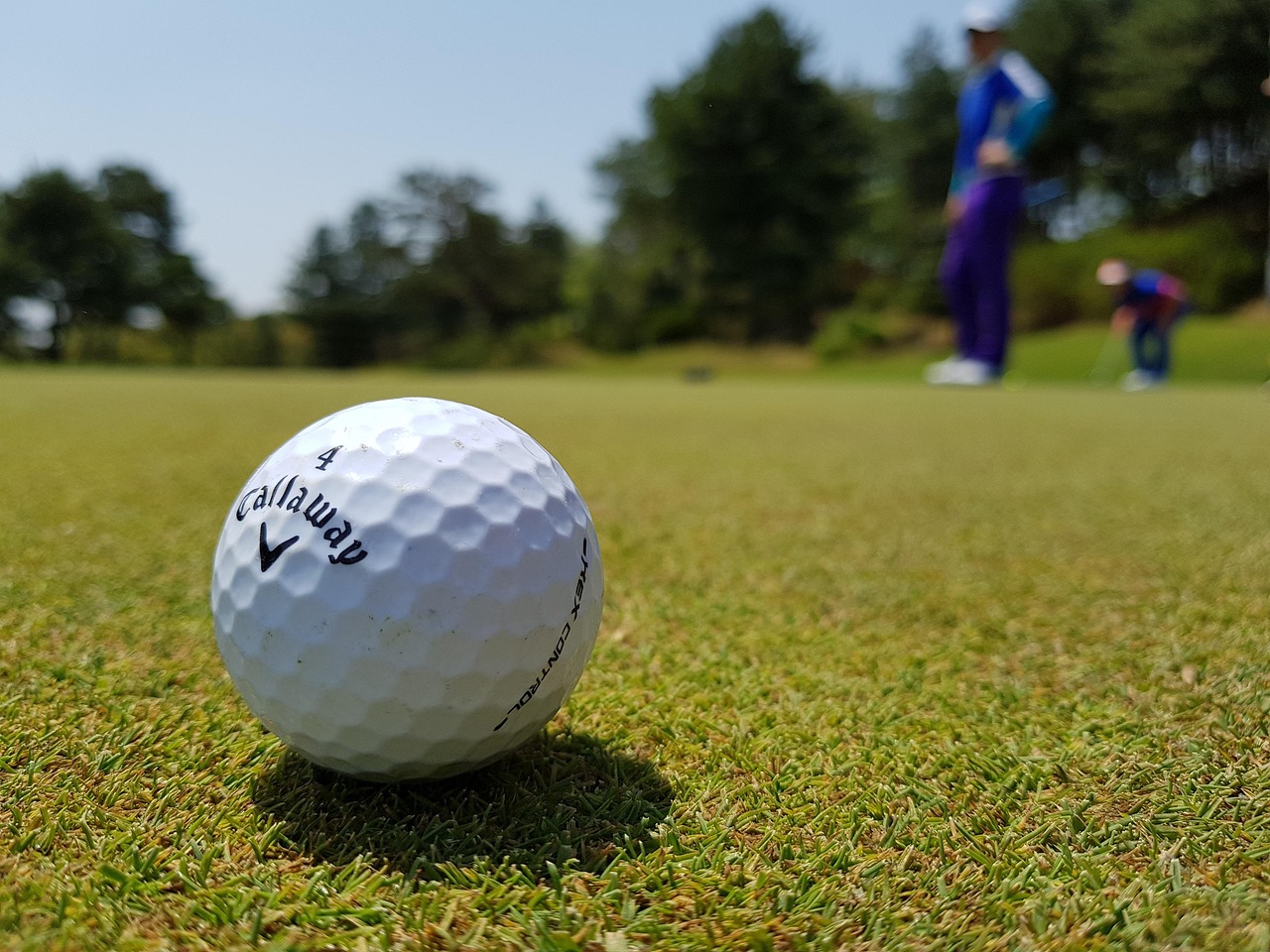

What Are The Best Golf Balls For A Slow Swing Speed?
Choosing the right golf ball can transform your game if you swing slower than the average player. The ball you use affects distance, feel, launch angle, spin, and even confidence around the greens. This guide explains what matters for slow swing speeds and recommends specific models and testing tips so you can find the best ball for your swing.
Who is a “slow swing speed” player?
You’re considered a slower swinger if your driver swing speed is generally under about 85 mph for men or under about 75 mph for women. Those ranges aren’t absolute, but they’re useful. If your swing speed sits in that band, you’re likely to benefit from balls engineered to compress more easily, launch higher, and reduce energy loss on slower impacts.
Why ball compression matters for a slow swing speed
Compression is a measure of how much a ball deforms on impact. Lower-compression balls compress more easily and return energy better when your swing speed is limited. That helps you get higher launch angles and more carry distance. If you hit a high-compression ball with a slow swing, the ball may not compress enough, costing you distance and feel.
Compression categories and what they mean for you
- Very low compression (around 30–50, described as ultra soft): Best if your swing speed is quite slow and you want the softest feel with maximum energy return.
- Low compression (around 50–70): Good balance of distance and feel for many slower swingers.
- Medium compression (around 70–90): Better for moderate swing speeds; might feel firm if your swing is slow.
- High compression (90+): Designed for fast swingers and usually not suitable for slow swing speeds.
These numerical ranges are approximate because manufacturers use different scales and technologies, but they give you a framework for choosing.
Construction and cover: what to prioritize
The way a ball is built affects how it feels, how it spins, and how durable it is. For slow swingers, you’ll likely prefer constructions that maximize launch and feel without sacrificing too much spin control.
Two-piece vs. multi-layer balls
- Two-piece balls: Mostly designed for distance and durability. They often come with soft, low-compression cores and a durable cover, making them ideal if distance and price are priorities.
- Multi-layer (three-piece or more): These offer more nuanced performance—softer feel, better spin on short shots, and control around the greens. Some multi-layer balls are engineered with a soft outer layer for feel and a soft core for easy compression, which can suit slow swingers who want more short-game spin.
Cover materials: Surlyn vs. urethane
- Surlyn cover: Durable and offers lower spin off long shots, which can add roll and distance. Typically found on lower-cost, distance-focused balls.
- Urethane cover: Softer and produces more greenside spin and feel. If you want control on approach shots and around the greens, urethane is preferable—but be aware some urethane balls are higher compression, so match cover and core properties to your swing speed.

What you should look for in a ball if your swing speed is slow
If you fit the slow-swing profile, look for these characteristics:
- Low compression: Makes it easier to get the ball to deform and return energy, improving carry distance.
- High initial launch: A higher launch helps maximize carry distance since you may not generate ball speed as easily.
- Ball designed for low spin off the tee: This can reduce sidespin and keep drives straighter, but don’t sacrifice greenside spin entirely if you need control around the hole.
- Soft feel: Improves confidence and comfort, especially around the greens.
- Option for urethane cover if you want more spin control at short distances, but only if the core compresses easily enough for your speed.
Top recommended golf balls for slow swing speeds
The following list includes balls that consistently perform well for players with slower swing speeds. The table summarizes their key traits so you can compare at a glance.
| Ball Model | Construction / Cover | Best for | Feel | Compression (general) | Typical price range |
|---|---|---|---|---|---|
| Callaway Supersoft | Two-piece / Ionomer | Pure distance, very soft feel | Very soft | Very low | Budget to mid |
| Wilson Staff Duo Soft | Two-piece / Ionomer | Softest feel, max compression forgiveness | Ultra soft | Very low | Budget |
| Srixon Soft Feel | Two-piece / Ionomer | Balanced distance and feel | Soft | Low | Mid |
| Titleist Tour Soft | Two-piece / Ionomer (softer core) | Soft feel with tour-style performance | Soft | Low | Mid to high |
| Bridgestone e6 / e6 Soft | Two-piece / Ionomer | Straight distance, low spin | Soft | Low | Mid |
| Pinnacle Soft | Two-piece / Ionomer | Cheapest soft option for distance | Soft | Very low | Budget |
| TaylorMade Distance+ / Soft Response | Two-piece / Ionomer | High launch, easy distance | Soft | Low | Mid |
| Callaway Chrome Soft (or similar soft urethane) | Multi-layer / Urethane | Soft feel, better spin control | Soft | Low-to-mid | Mid to high |
| Srixon Q-Star Tour (or softer Srixon models) | Multi-layer / Urethane | Soft feel + greenside control | Soft | Low | Mid |
| Snell MTB Black / Snell MyTour Ball variants | Multi-layer / Urethane | Balanced for slower swing golfers who want control | Soft | Low | Mid |
Notes:
- Compression labels are generalized. Manufacturers don’t always release exact comparable compression numbers.
- Some polyurethane-covered balls can still be soft enough for slow swingers if the core is low-compression.
- Models change frequently; check the latest versions and reviews before you buy.
Detailed breakdown of the recommended picks
Callaway Supersoft
Callaway Supersoft is known for an exceptionally low-compression core and very soft feel. It launches high and is forgiving on mis-hits, making it an excellent choice if your priority is maximizing carry and comfortable feel.
Wilson Staff Duo Soft
One of the softest balls on the market, the Duo Soft is designed specifically for players seeking the plushest feel. It compresses easily, which helps slow swingers get more distance. Durability is moderate, but feel and distance often outweigh that.
Srixon Soft Feel
Srixon Soft Feel provides a balance of soft feel and reliable distance. It’s a two-piece ball with a core that promotes launch and forgiveness. It’s a dependable option if you want comfort and consistent performance.
Titleist Tour Soft
Tour Soft gives you a tour-style performance feel but with a focus on softer compression. If you want a ball with a bit more sophistication in flight and feel than a basic distance ball, Tour Soft can be a great bridge.
Bridgestone e6
Bridgestone e6 prioritizes straighter flights and reduced spin off the tee. For players who struggle with slices or hooks and lack swing speed, this ball helps keep drives straighter while still offering a soft impact.
Pinnacle Soft
Pinnacle Soft is often the lowest-cost way to get a very soft, distance-focused ball. It’s ideal for practice rounds, winter golf, or players who want to save money without giving up soft feel.
TaylorMade Distance+ / Soft Response
TaylorMade’s softer distance balls are engineered to launch high and compress easily for players with slower swings. They blend distance with a soft, pleasing feel.
Callaway Chrome Soft (softer urethane options)
Although Chrome Soft is a bit more premium and designed with multi-layer construction, certain versions emphasize soft feel and lower compression—allowing slower swingers to gain some greenside control without sacrificing feel.
Snell and boutique brands
Smaller brands like Snell produce balls aimed at offering tour-level feel and spin for reasonable prices. Many of their models are tuned to produce a soft feel and accessible spin for slower swingers who want more finesse around the greens.
How to choose the best ball for your game — step-by-step
You can narrow your choices by following these steps. They’re quick, practical, and help you pick a ball that matches your priorities.
1. Measure or estimate your driver swing speed
If you don’t have a launch monitor, estimate based on your typical distance. As a rough rule: if you carry a driver under about 200 yards, you likely have a slower swing speed. Getting a single session on a launch monitor or at a fitting center gives you clarity.
2. Decide what you value most: distance, feel, or control
- If distance is primary, choose a low-compression two-piece ball.
- If feel and greenside control matter more, look for a soft urethane-covered multi-layer ball (but ensure core compression is low).
- If straighter flight is needed, consider low-spin options.
3. Select 3–4 candidate balls across budgets
Buy sleeves (3–6 balls) of 3–4 different models. That gives you enough to test without committing fully.
4. Test on the range and on the course
Use the balls for a full round if possible. Range sessions reveal flight and distance; on-course play reveals performance into different shots and in variable conditions.
5. If possible, use a launch monitor
A launch monitor will show ball speed, launch angle, spin, and carry. Look for higher ball speed at contact and higher launch angle with manageable spin. For slow swings, a ball that produces greater ball speed and a higher launch with moderate spin usually performs best.
How to test golf balls effectively
Testing is about consistency and controlled comparison. Follow a simple protocol.
Controlled range session
- Warm up to a consistent tempo.
- Hit 10 shots with each ball model using the same club (driver for distance testing, 7-iron for iron feel).
- Track average carry and dispersion.
- Note feel, compression at impact, and control around the green.
On-course testing
- Play at least 9 holes with one ball model, then switch to another model on a different day or back-to-back tees if possible.
- Pay attention to how the ball reacts in mid-to-high irons and short game—spin, stopping power, and feel.
What to record
- Average carry distance with driver and 7-iron.
- Feel: comfortable, too firm, or too soft.
- Greenside performance: does the ball spin and hold?
- Wind behavior: does the ball cut through or balloon?
- Durability: scuffs and cover wear after a few rounds.
Common trade-offs to be aware of
You’ll rarely get perfect results in every category. Recognize the typical trade-offs.
- Maximum distance vs. greenside spin: Two-piece distance balls may give you more carry but less spin on chips and pitches.
- Soft feel vs. durability: Softer covers scuff and cut more easily, especially on rocky lies.
- Low spin off the tee vs. stopping power: Low-spin balls can produce straighter, longer drives but might not stop quickly on the green.
Pick the trade-off that fits your priorities. If your slow swing speed makes distance your top concern, prioritize low compression and high launch. If scoring around the green is the difference between par and bogey, prioritize some urethane characteristics.
Ball fitting: is it worth it for your swing?
Yes. A ball fitting can be beneficial even if you’re not a high-handicap competitor. Ball fittings identify which ball translates your speed into the best launch, spin, and carry. Many fitting centers or retail pro shops offer brief ball-fitting sessions where you can test and compare ball models on a launch monitor.
What to expect from a ball fitting
- Multiple ball models tested with your clubs.
- Measurements of ball speed, launch angle, and spin.
- Recommendations tailored to your swing speed and ball flight profile.
If you can’t access a formal fitting, do your own testing with a launch monitor or at least with disciplined on-course trials.
Short-game and greenside considerations for slow swingers
If you want soft feel and better stopping power around the greens, focus on these features:
- Urethane cover: It increases spin and control around the greens but often comes with a slightly higher price.
- Multi-layer construction with a soft outer layer: This provides a soft contact feel while maintaining a core that compresses easily.
- Practice shots with the ball on short chips and pitches to evaluate how it releases and stops.
If you pick a distance ball that sacrifices spin, you can adjust your short-game strategy by using backspin-friendly wedges, slightly different trajectories (lower approach shots that check), or more loft for stopping power.
On-course strategies when you switch to a softer, low-compression ball
Switching balls can change how your clubs feel and how far you hit each club. Here are practical adjustments you can make:
- Re-evaluate club distances: Test each club with the new ball to get updated yardages.
- Tee height: With lower spin balls, you may find a slightly higher tee helps with launch and roll.
- Green approach: If the new ball checks less, fly the ball a little higher and land softer, or use more loft on approach shots.
Ball care to maintain performance
A soft cover is great for feel but can be vulnerable. Keep your balls clean and inspect them. Replace balls with excessive scuffs because deep cuts and flat spots alter flight characteristics.
Cleaning tips
- Rinse in warm water and use a mild brush to remove dirt.
- Dry thoroughly before storing.
- Store in a cool, dry place—extreme heat can affect compression over time.
Price and availability: getting the best value
You don’t need the most expensive ball to play better. Many budget soft balls perform very well for slower swingers. Buying in bulk sleeves or dozen packs usually lowers per-ball cost. If you’re practicing frequently, it often makes sense to keep inexpensive soft options for practice rounds and save premium urethane balls for rounds where touch around the greens matters more.
FAQs
Will a low-compression ball always make me hit farther?
Not always. If you already swing fast enough to compress medium-high compression balls effectively, a very low-compression ball may feel mushy and not improve distance. But if your swing is slow, a low-compression ball usually helps you gain carry and overall distance.
Can a softer ball reduce my slice or hook?
A low-spin ball can help reduce excessive sidespin and promote straighter drives, which can help if your slice or hook is caused by spin. But clubhead path and face angle are primary; a ball can only help to an extent.
Should I use a urethane ball if I want more spin?
Yes, if the urethane ball has a soft core suitable for slow swings. It can give you more greenside spin and feel. Just verify that the ball’s core compresses well with your swing speed.
How many balls should I test before choosing one?
Test at least three models to compare differences meaningfully. Using multiple sleeves over a few sessions gives you a good sense of real-world performance.
Does ball color affect performance?
No, color and graphics do not change performance. Choose a color you can see easily; that helps on the course and when aligning putts.
Final checklist for choosing the best golf ball for a slow swing speed
- Measure your swing speed if possible.
- Prioritize low compression and high launch.
- Decide whether distance or short-game control is more important.
- Test several balls on the range and on the course.
- Consider cover materials: Surlyn for distance and durability; urethane for feel and spin if you need it.
- Buy in small quantities first, then commit after testing.
- Keep an eye on price; high cost doesn’t always equal better results for your swing.
Closing thoughts
Choosing the right ball for a slow swing speed is one of the easiest ways to get immediate, measurable improvement in distance, accuracy, and comfort. Start with low-compression, high-launch options and then refine based on how much greenside spin and feel you want. With a little testing and awareness of trade-offs, you’ll find a ball that unlocks more consistent and enjoyable golf.
If you want, tell me your typical driver distance and what you prioritize most (distance, feel, green control), and I’ll suggest the top two balls to try first.

More from my site
 What Are The Best Golf Balls For Slower Swing Speeds?
 What Are The Best Golf Balls For Slower Swing Speeds?
 What Are The Best Golf Balls For Slower Swing Speeds?
 What Is The Best Golf Ball For A Slow Swing Speed?
 What Are The Best Golf Balls For Slower Swing Speeds?
 What Is The Best Golf Ball For Slow Swing Speeds?